
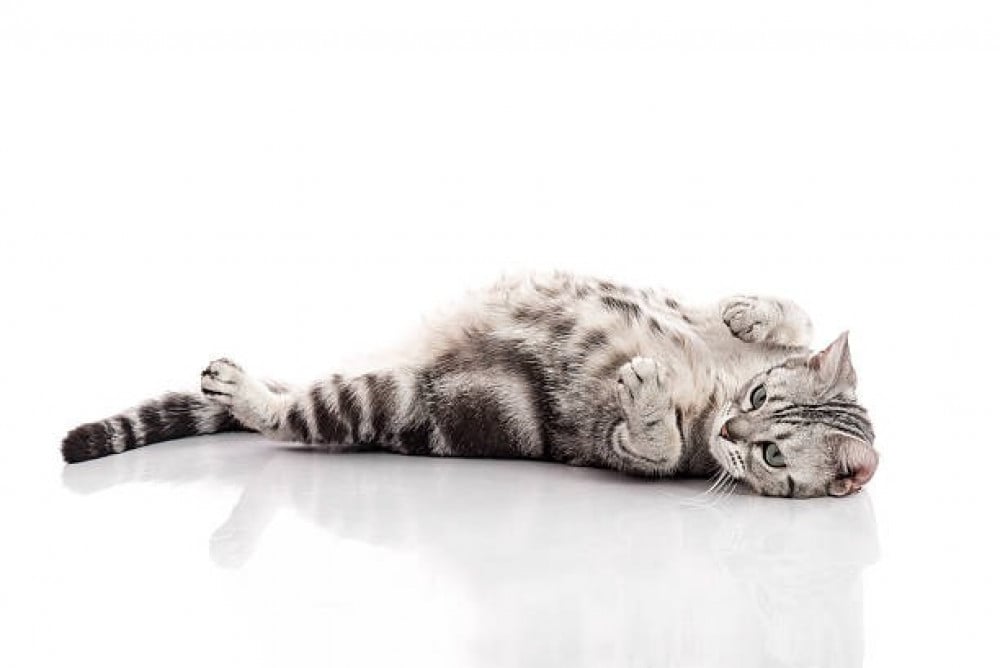
Cat gestation period in days and months
The gestation period for cats lasts approximately 63 to 65 days, that is, two months and several days.
A cat can become pregnant when she reaches 3-4 months of age, depending on the breed.
The cat goes into heat (the desire to mate) every two to three weeks, during the spring period until early autumn.
Your cat can have kittens when she is only 6 months old.
- Calculating pregnancy in cats is done by counting the days from the first day of mating.
Weight gain, nausea, and a need for attention are considered signs of pregnancy in cats.
It is recommended to provide a suitable environment for the pregnant cat and secure a secluded and quiet place.
Pregnant cats prefer to give birth in a secluded and quiet place so that they can give birth safely.
It is recommended to feed the pregnant cat food rich in protein, vitamins and minerals and to avoid feeding her fatty foods that affect her health and the health of the kittens.
Factors that affect the duration of cat pregnancy
1- The cat's age: A cat's age can affect the duration of her pregnancy. Younger cats may be less able to conceive and give birth properly, which can lead to a longer gestation period.
2- The cat's general health: If the cat is sick or has health problems, this may negatively affect the duration of her pregnancy and make it longer.
Therefore, you will find the seventh bird :
- Royal Canin Queen dry cat food helps create a hormonal environment during pregnancy.
- Jim Cat Cat Yogurt Fortified with Calcium
- Kit Kat milk for cats, rich in proteins
- Dr. Clouders Kitten Milk Powder
3- Nutrition: The cat should be provided with a healthy and balanced diet during pregnancy. If the cat does not receive enough of the necessary nutrients, it may prolong her pregnancy.
Therefore, we have dedicated to you in the seventh bird :
- Canvit Multivitamin Cat Food Supplement
- Canvit Cat Food Supplement for Hair and Skin Regeneration
- Nutrimin Cat Food Supplement with Minerals and Vitamins from Canvit
4- Number of fetuses: The number of fetuses can affect the length of a cat's pregnancy. If the cat is pregnant with more than one fetus, this may increase the duration of the pregnancy.
5- Breed: The breed of a cat can affect the length of her gestation period. Some breeds may be less fertile and therefore have a longer gestation period.
“Generally speaking, the gestation period for cats is usually between 63 and 67 days. However, the duration of pregnancy can vary slightly from cat to cat. There can be some individual variations in duration based on many factors such as age, health, and nutrition.”
Stages of pregnancy in cats
Explanation of the stages of pregnancy in cats from day one until the kittens are born
Explanation of the stages of pregnancy in cats from day one until the kitten is born:
Pregnancy begins on the day of mating and lasts for a period of 63 to 65 days, and the duration of pregnancy varies according to the breed.
– “Days one and two: The egg is released from the ovary and swims in the lining of the uterus. If fertilization occurs, the egg will be penetrated by the sperm.”
– “Third week: The fetus develops significantly, and the process of forming the nervous system, circulatory system, and heart begins.”
– “Week 4: Hair begins to grow, and nails, tongue, and teeth begin to appear.”
– “Week 5: The cat’s rear end becomes clearly visible, and the lungs, liver, and kidneys enlarge.”
– “Week 6: Oxygen, nutrition, and neurological and physical growth are developed.”
– “Week 7: The fetus begins to move and roll.”
– “Week 8: Growth continues and fur appears.”
– “The last few weeks: The kittens move inside the cat’s belly and she should not be stressed. The necessary tools for giving birth should be prepared.”
– “To care for a pregnant cat, healthy food should be provided, along with a quiet place and antiparasitic medication. After birth, the necessary care should be provided for the mother and the new kittens.”
Signs of pregnancy in cats
Show the different signs that indicate a cat is pregnant
The cat begins to gain weight starting from the third week of pregnancy.
The cat's belly becomes higher and smaller as the delivery date approaches.
The cat's nipples become larger and darker in color, especially in the last weeks before giving birth.
The number of urination cycles increases in a pregnant cat.
The cat's behavior becomes more fearful and it needs more protection.
As one expert says, “When examining a cat suspected of being pregnant, the symptoms may appear similar to another disease, so it is advisable to visit a veterinarian to confirm the pregnancy and ensure that the mother and new kittens receive the necessary care.”